
Research program
From Agri-Food By-Products to Bio-Based Delivery Systems for Food, Cosmetics, and Pharmaceuticals
My research integrates agri-food waste upcycling, polyphenol–polysaccharide interactions and food delivery systems to develop sustainable, bioactive and functional foods.
We recover and enhance polyphenols and functional polysaccharides from agri-food by-products through germination, fermentation and green extraction, and investigate their interactions to improve stability, functionality and bioavailability. These bioactive components are incorporated into food-grade delivery systems, including liposomes, nanoemulsions and emulsion gels, to protect them and control their delivery. The resulting systems are engineered into texture-modified foods, where oral-processing models, rheology, texture analysis and smart e-sensors are used to optimize food structure, stability and nutrient delivery.
Upcycling agri-food by-products
Much of what is left after food processing is still rich in polyphenols and dietary fibre. The lab recovers these compounds from materials such as grape pomace, hemp meal, seaweed, cereal bran, Jerusalem artichoke and chicory, and peach. Germination and fermentation are used to raise their bioactive content, and green techniques such as ultrasound, high-pressure treatment and electrocoagulation replace or reduce organic solvents.
Recent work includes ultrasound treatment to turn agri-food by-products into new biomaterials, ultrasound effects on Jerusalem artichoke and chicory inulin, electrocoagulation to decolorize seaweed extracts, and pre-treatments that improve phenolic recovery from hemp meal.
Polyphenol–polysaccharide interactions
Polyphenols rarely act alone in a food. They bind to fibres and other polysaccharides, and those interactions change how stable they are, how they behave in a food, and how much of them the body can use. We study these interactions to design ingredients that keep their activity through processing, storage and digestion, for example inulin and psyllium husk systems that also inhibit carbohydrate-digesting enzymes.
Food-grade delivery systems
Bioactives such as polyphenols, vitamin E and omega-3 fatty acids are easily lost to oxidation. The lab builds food-grade carriers that protect them and control their release:
- Liposomes made from food-safe lipids
- Nanoemulsions and ultrasound-assisted double emulsions
- Emulsion gels that also shape the texture of the final food
Engineering texture-modified foods
Texture-modified foods, such as those for people with dysphagia, must hold a safe and consistent structure, but purees often lose structure, nutrients and appeal. We use emulsion gels and other structured systems to stabilize purees, then test them with oral-processing models, rheology and texture analysis. Electronic noses track lipid oxidation and aroma during storage.
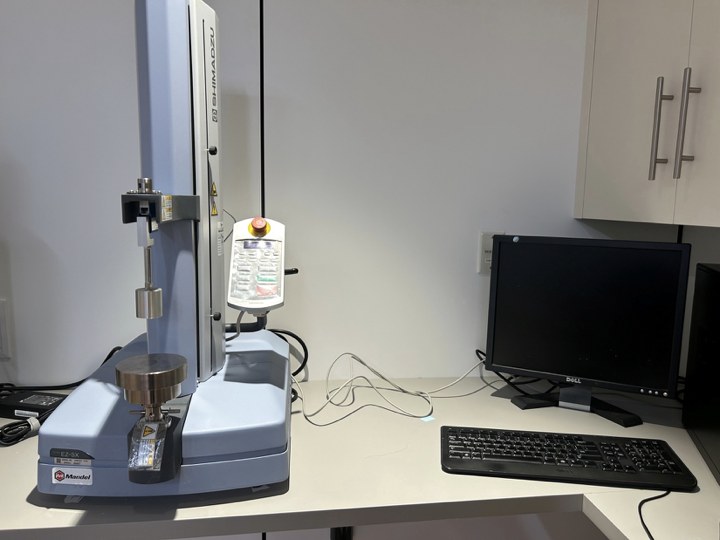
This work is moving into the Food Design Lab in Carleton’s Abilities Living Laboratory, which has a food-grade 3D printer and a texture analyzer for designing and testing food structures.
Facilities and methods
Environmentally friendly extraction
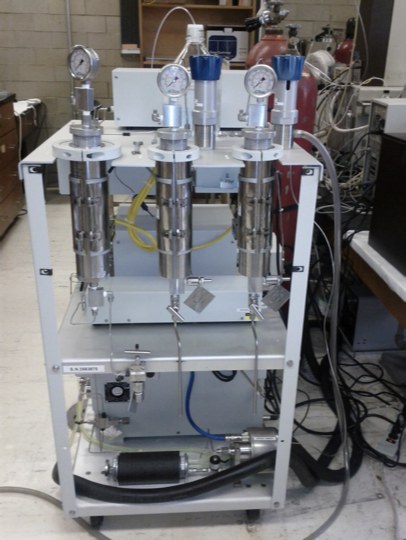
Ultrasound, high-pressure and microwave pre-treatments, supercritical CO2 extraction, electrocoagulation, germination and fermentation
Chemical analysis
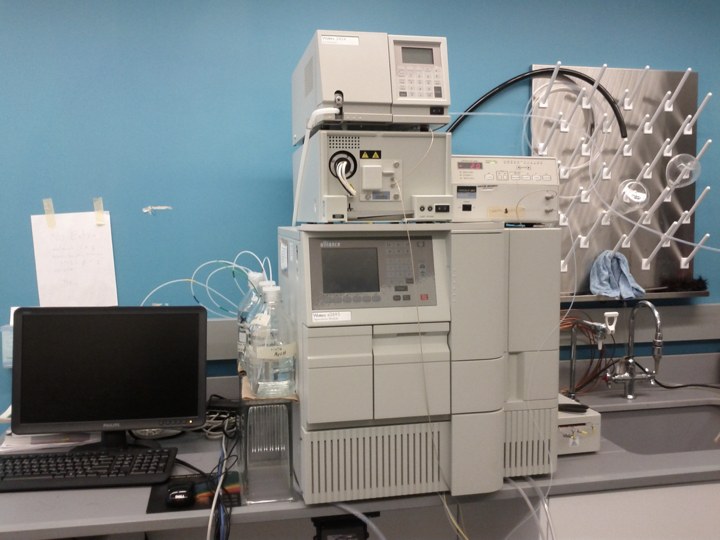
HPLC, LC-MS, FTIR, scanning electron microscopy, antioxidant capacity and enzyme-inhibition assays
Food structure
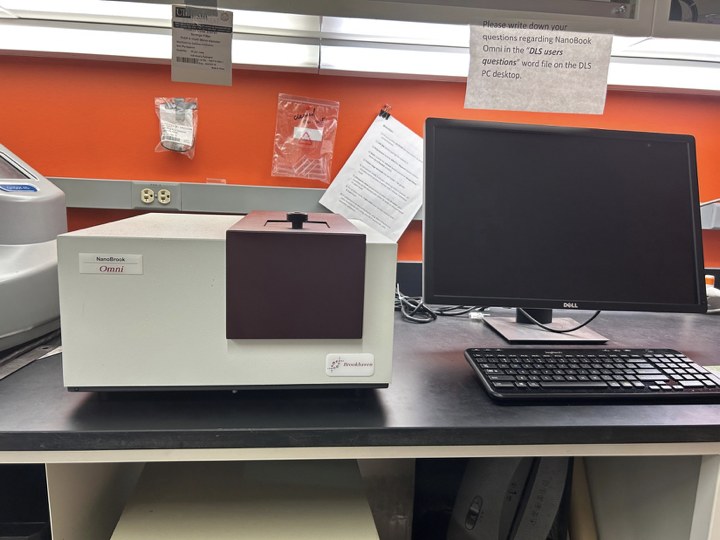
Rheology, texture analysis, particle size and emulsion stability, oral-processing models
Sensing and design
Electronic noses for lipid oxidation and aroma, food-grade 3D printing in the Food Design Lab
How the electronic nose works
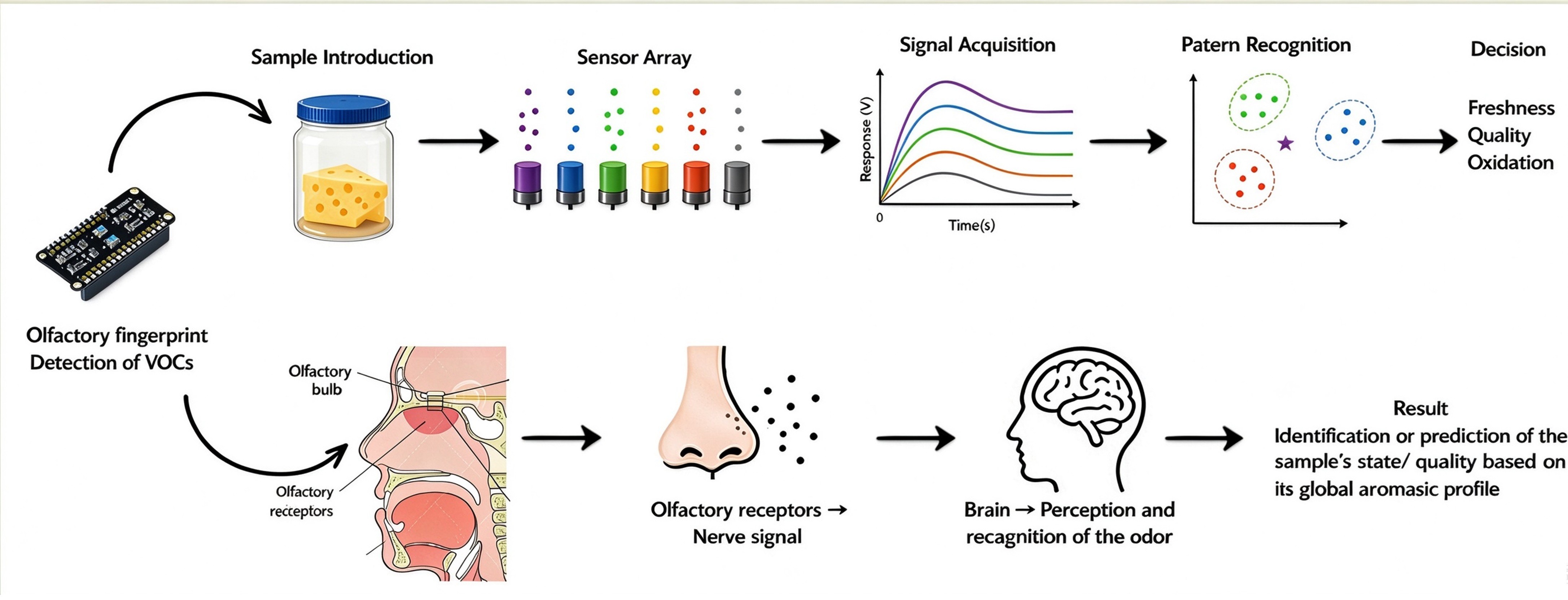
The lab’s electronic nose reads the volatile compounds a sample gives off, much as the nose and brain do, and uses pattern recognition to judge freshness, quality and oxidation.
Collaborations and funding
The lab works with Miguel Hernández University in Spain on phenolics and food chemistry, and with the University of Tunis El-Manar in Tunisia on extraction, phytochemical characterization, oxidative stress and bioaccessibility.
The lab’s research program is funded by the Natural Sciences and Engineering Research Council of Canada (NSERC), through Discovery, Alliance and Research Tools and Instruments (RTI) grants. The lab has also received support from Mitacs and the Ontario Ministry of Agriculture, Food and Agribusiness (OMAFA, formerly OMAFRA).